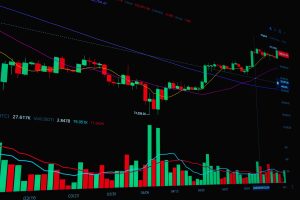
Oil prices impact your investments in various ways, influencing market trends and financial decisions. Understanding these effects is crucial for smart investment strategies.
Understanding Oil Prices
Oil prices have a significant impact on various sectors of the economy and, consequently, on investment strategies. Fluctuations in oil prices can affect inflation rates, consumer spending, and overall economic growth. Investors need to understand these dynamics to make informed decisions.
When oil prices rise, it often leads to increased costs for businesses, particularly in sectors such as transportation and manufacturing. This can result in higher prices for consumers, potentially slowing down economic growth. Conversely, when oil prices drop, it can boost disposable income for consumers, leading to increased spending and a positive effect on other sectors.
Additionally, oil prices impact foreign direct investment (FDI) flows. Countries that rely heavily on oil exports may see their currencies strengthen or weaken based on oil price fluctuations, affecting the attractiveness of their markets for foreign investors.
Understanding oil prices is crucial for developing proven strategies to navigate the investment landscape. Investors should consider closely monitoring oil market trends and geopolitical factors that can influence oil prices, as these elements can offer insights into broader economic conditions and investment opportunities.
- Monitor global oil supply and demand
- Stay informed about geopolitical tensions
- Diversify investments to mitigate risks
The Role of FII Flows
The fluctuations in oil prices have a significant impact on various sectors of the economy, and Foreign Institutional Investors (FIIs) closely monitor these changes to make informed investment decisions. When oil prices rise, it often leads to increased inflation, which can affect the stock market negatively. Conversely, a drop in oil prices can provide relief to consumers and businesses, potentially boosting market sentiment.
FIIs play a critical role in shaping market dynamics, especially in emerging economies. Their investment strategies may be heavily influenced by oil price trends, prompting them to adjust their portfolios accordingly. Here are some key factors to consider regarding the role of FII flows:
- Market Sentiment: Rising oil prices may lead to bearish sentiment among FIIs, resulting in reduced investment in oil-dependent sectors.
- Sector Rotation: Investors might shift their focus toward sectors less affected by oil price volatility, such as technology or consumer goods.
- Global Economic Impact: Changes in oil prices can indicate broader economic conditions, influencing FII flows into different markets.
Understanding these dynamics is essential for investors to navigate the complexities of oil prices’ impact on their investment strategies.
Market Trends to Watch
As investors navigate the complexities of the financial market, keeping an eye on market trends is crucial, especially concerning oil prices impact. Recent fluctuations in oil prices have led to significant movements in various sectors.
Key trends to monitor include:
- Geopolitical Events: Tensions in oil-producing regions can cause abrupt changes in supply, leading to price surges that affect global markets.
- Supply Chain Dynamics: Disruptions in logistics or changes in production levels can influence oil prices and, in turn, ripple through investments in related industries.
- Technological Advancements: Innovations in energy extraction and renewable resources can alter demand for traditional oil, impacting long-term investment strategies.
- Regulatory Changes: New policies aimed at reducing carbon emissions can affect oil prices, prompting investors to reassess their portfolios.
Staying informed about these trends is essential for making prudent investment decisions. Understanding how oil prices impact your investments can help you better navigate the uncertainties of the market and capitalize on emerging opportunities.
Investment Strategies for 2023
As investors navigate the complexities of 2023, understanding how oil prices impact your investments becomes crucial. The volatility in oil prices can significantly influence various sectors, and implementing effective strategies is essential for capitalizing on these changes.
Here are some proven investment strategies to consider:
- Diversification: Spread your investments across various sectors that respond differently to oil price fluctuations. For instance, while energy stocks may suffer from rising oil prices, airlines and transportation sectors could experience increased costs.
- Focus on Energy Alternatives: Investing in renewable energy and alternative fuel sources can be a way to hedge against traditional oil price volatility. Companies focusing on sustainable energy solutions are gaining traction as the world shifts towards greener options.
- Utilize ETFs: Exchange-Traded Funds (ETFs) that focus on energy commodities can provide exposure to oil prices without the need to invest directly in oil stocks. This method allows for more flexibility and less risk.
- Monitor Geopolitical Events: Stay informed about global events that can affect oil supply and demand. Tensions in oil-producing regions can lead to sudden price changes, impacting your overall investment strategy.
By employing these strategies, investors can better manage the implications of oil prices impact on their portfolios.
How Oil Prices Affect Stocks
Oil prices have a significant impact on the stock market, influencing various sectors and investor sentiment. As fluctuations in oil prices occur, they can create ripples across multiple industries, particularly those directly related to energy.
When oil prices rise, companies involved in oil extraction and production often see their stock prices increase. Conversely, industries that heavily rely on oil, such as transportation and manufacturing, may experience a downturn due to increased operational costs.
Moreover, investor perceptions play a crucial role. A spike in oil prices can lead to concerns about inflation, prompting investors to reassess their portfolios. As a result, stocks in sectors deemed vulnerable may face selling pressure, while those in the energy sector may be viewed more favorably.
Additionally, the interplay between oil prices and foreign institutional investment (FII) flows cannot be overlooked. Higher oil prices may deter FII, affecting overall market dynamics. To navigate these challenges, investors should consider strategies that account for the volatility of oil prices and their direct impact on stocks.
- Monitor oil price trends closely.
- Diversify investments to mitigate risk.
- Focus on sectors less affected by oil price fluctuations.
Economic Indicators to Monitor
As investors navigate the complex landscape influenced by fluctuating oil prices, it is crucial to monitor specific economic indicators that can provide insights into market trends. Understanding how these indicators relate to oil prices impact is essential for making informed investment decisions.
- Inflation Rates: Rising oil prices often lead to increased transportation and production costs, which can drive inflation. Monitoring inflation rates can provide clues about the overall economic environment and consumer spending.
- Interest Rates: Central banks may adjust interest rates in response to inflation driven by oil prices. Keeping an eye on interest rate changes can help investors anticipate shifts in market dynamics.
- Consumer Confidence Index: This index reflects consumer sentiment and spending power, both of which can be affected by oil prices. A decline in consumer confidence may signal a downturn in economic activity.
- Crude Oil Inventories: Weekly reports on crude oil inventories can indicate supply and demand trends. A decrease in inventories often leads to rising oil prices, influencing broader market sentiment.
By tracking these indicators, investors can better assess the potential impacts of oil prices on their portfolios and adjust their strategies accordingly.
Expert Insights on Market Movements
Experts agree that fluctuations in oil prices have a significant impact on various investment sectors. According to market analysts, the correlation between oil prices and stock market performance is undeniable, with many sectors reacting quickly to changes in oil costs.
Investment professionals highlight the following key points regarding the influence of oil prices:
- Sector Sensitivity: Industries such as transportation and manufacturing often see immediate effects from rising oil prices, leading to increased operational costs.
- Consumer Behavior: Higher oil prices can result in increased fuel costs for consumers, which may reduce spending in other areas, affecting retail sectors.
- Global Economic Impact: Changes in oil prices can trigger shifts in global economic stability, influencing foreign investments and currency valuations.
- Market Volatility: Oil price fluctuations can lead to increased market volatility, prompting investors to reassess their portfolios frequently.
In conclusion, understanding how oil prices impact your investments is crucial for making informed decisions. Investors are advised to keep a close watch on oil market trends and adjust their strategies accordingly to mitigate risks and capitalize on opportunities.
Understanding how oil prices impact the overall market can help investors make informed decisions. By analyzing historical trends, you can better anticipate how fluctuating oil prices impact your investments in various sectors.
Photo by K on Pexels
Where this came from
Infrastructure Projects Assam: Proven Progress Review by Himanta · Ski Vacation Rentals: Best Proven Options for Travelers · Retail REIT Project: Nexus Select Trust’s Bold Move in Guwahati