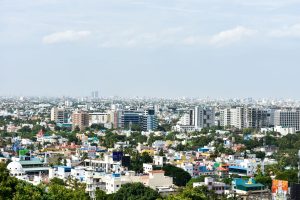
Dedicated Freight Corridor has been completed, significantly boosting manufacturing and clean energy in Vadodara. This project is expected to transform the logistics landscape in the region.
Overview of the Dedicated Freight Corridor
The Dedicated Freight Corridor (DFC) is a monumental infrastructure project designed to enhance the transportation of goods across India. This initiative aims to streamline freight movement, ensuring faster delivery times and reduced logistics costs for manufacturers.
Spanning over thousands of kilometers, the DFC is set to revolutionize the way goods are transported by creating a dedicated rail network exclusively for freight trains. This segregation from passenger traffic will not only improve efficiency but also promote safety on the tracks.
Key benefits of the Dedicated Freight Corridor include:
- Increased Capacity: The DFC can handle a higher volume of goods, catering to the growing demands of the manufacturing sector.
- Reduced Transit Time: With dedicated tracks, freight trains can operate at higher speeds, significantly shortening delivery times.
- Environmental Impact: By promoting rail transport over road, the DFC aims to reduce carbon emissions and support clean energy initiatives.
- Economic Growth: The project is expected to boost local economies by improving access to markets and reducing costs for manufacturers.
In summary, the Dedicated Freight Corridor stands as a vital asset for India’s manufacturing landscape, fostering growth and sustainability.
Impact on Vadodara’s Economy
The completion of the Dedicated Freight Corridor has significantly transformed the economic landscape of Vadodara. This strategic project has not only expedited transportation but also enhanced the overall efficiency of goods movement in the region.
With improved logistics, local manufacturers are reaping the benefits of faster delivery times and reduced transportation costs. The Dedicated Freight Corridor has facilitated a seamless connection between manufacturing hubs and markets, allowing businesses to thrive. As a result, several industries have reported increased productivity and growth potential.
Moreover, the corridor has attracted investments in clean energy sectors, further bolstering Vadodara’s economy. Companies are now more inclined to set up operations in the area, thanks to the enhanced infrastructure and connectivity offered by the corridor. This influx of investment is expected to create numerous job opportunities for the local workforce.
The ripple effects of this project extend beyond immediate economic gains. As Vadodara transforms into a logistics and manufacturing powerhouse, it is poised to become a key player in India’s industrial landscape, showcasing the profound impact of the Dedicated Freight Corridor on regional economies.
Manufacturing Growth in the Region
The completion of the Dedicated Freight Corridor has significantly impacted manufacturing growth in the region, driving new opportunities for businesses and industries alike. With enhanced infrastructure, manufacturers can now benefit from reduced transportation times and lower logistics costs, leading to a more competitive market.
Several key factors contribute to this upward trend in manufacturing:
- Improved Connectivity: The Dedicated Freight Corridor connects major industrial hubs, allowing for seamless movement of goods across states.
- Increased Capacity: The project has expanded the capacity for freight movement, enabling manufacturers to scale operations without worrying about delays.
- Boosted Investment: The enhanced logistics framework has attracted both domestic and foreign investments, fostering innovation and growth in various sectors.
- Job Creation: As factories expand and new facilities are established, job opportunities are increasing, benefiting local communities.
- Focus on Sustainability: Many manufacturers are now adopting cleaner technologies and practices, contributing to the region’s commitment to clean energy.
Overall, the Dedicated Freight Corridor has proven to be a catalyst for manufacturing growth, setting a strong foundation for future development in Vadodara and beyond.
Clean Energy Initiatives
The completion of the Dedicated Freight Corridor has not only enhanced manufacturing capabilities but also paved the way for significant clean energy initiatives in the region. With the expansion of the transportation network, industries are now integrating sustainable practices into their operations.
Several manufacturers in Vadodara have begun to adopt renewable energy sources to power their facilities. This shift is driven by both economic and environmental considerations, as companies seek to reduce their carbon footprint while also benefiting from lower energy costs.
Key initiatives include:
- Solar Power Integration: Many factories are installing solar panels to harness renewable energy, significantly offsetting their reliance on traditional power sources.
- Energy Efficiency Programs: Companies are implementing energy-saving technologies and practices to minimize wastage and enhance productivity.
- Partnerships with Green Energy Providers: Manufacturers are collaborating with local green energy firms to ensure a steady supply of clean energy.
These initiatives, fueled by the infrastructure improvements from the Dedicated Freight Corridor, are setting a precedent for sustainable manufacturing practices throughout the region, showcasing the potential for growth without compromising environmental responsibility.
Future Prospects of the Corridor
The future prospects of the Dedicated Freight Corridor appear promising, as it is set to enhance connectivity and efficiency in the logistics sector. With the completion of this ambitious project, stakeholders anticipate a significant increase in manufacturing output across various regions, particularly in Vadodara.
The corridor is expected to attract new investments, leading to the establishment of additional manufacturing units. This influx of capital will not only create jobs but will also stimulate economic growth in the area. Key benefits anticipated from the Dedicated Freight Corridor include:
- Improved Supply Chain Efficiency: The corridor will facilitate faster movement of goods, reducing transit times.
- Reduction in Transportation Costs: Enhanced infrastructure will lower logistics costs for manufacturers.
- Environmental Benefits: The shift to freight rail is poised to reduce carbon emissions compared to road transport.
- Support for Small and Medium Enterprises: Easier access to markets will boost opportunities for smaller manufacturers.
In conclusion, the Dedicated Freight Corridor is not merely a transportation project; it represents a pivotal shift towards a more robust manufacturing ecosystem, setting the stage for sustained economic progress in the coming years.
Government Investment in Infrastructure
The Indian government has made substantial investments in infrastructure to support the growth of the Dedicated Freight Corridor. This ambitious project aims to enhance logistics efficiency and reduce transportation costs, significantly benefiting the manufacturing sector.
Key investments include:
- Construction of Railway Lines: Over 3,300 kilometers of dedicated railway lines have been developed, connecting major industrial hubs and facilitating faster movement of goods.
- Modern Freight Terminals: New freight terminals equipped with the latest technology have been established, ensuring streamlined operations and better handling of cargo.
- Signaling and Communication Systems: Advanced signaling systems have been implemented to improve safety and maximize the efficiency of freight operations.
- Integration with Other Transport Modes: Investments have also focused on integrating road and air transport with the Dedicated Freight Corridor, creating a seamless logistics network.
These investments are expected to not only bolster manufacturing in regions like Vadodara but also create numerous job opportunities and stimulate economic growth. As the Dedicated Freight Corridor continues to evolve, it stands as a testament to the government’s commitment to developing a robust infrastructure that supports sustainable growth.
Community Response to the Project
The completion of the Dedicated Freight Corridor has sparked a wave of enthusiasm among the local community in Vadodara. Residents and business owners alike have expressed their optimism about the potential benefits of the project.
Many community members believe that the Dedicated Freight Corridor will lead to enhanced connectivity and improved logistics, which could significantly streamline the supply chain for manufacturers in the region. This sentiment is echoed by local business leaders who assert that better transport facilities will attract more investment and create job opportunities.
Furthermore, there is a strong emphasis on sustainability, with numerous community initiatives aiming to promote green practices in conjunction with the corridor’s operations. Local environmental groups have been actively participating in discussions about minimizing the ecological impact while maximizing economic growth.
Concerns have also been raised regarding potential disruptions during the construction and implementation phases. However, the general consensus remains positive, with many residents recognizing the long-term advantages of the Dedicated Freight Corridor.
- Enhanced transportation efficiency
- Job creation and economic opportunities
- Community involvement in sustainable practices
As the project moves forward, ongoing dialogue between stakeholders will be crucial in addressing any challenges that arise.
Photo by AKHAND PRATAP SINGH on Pexels