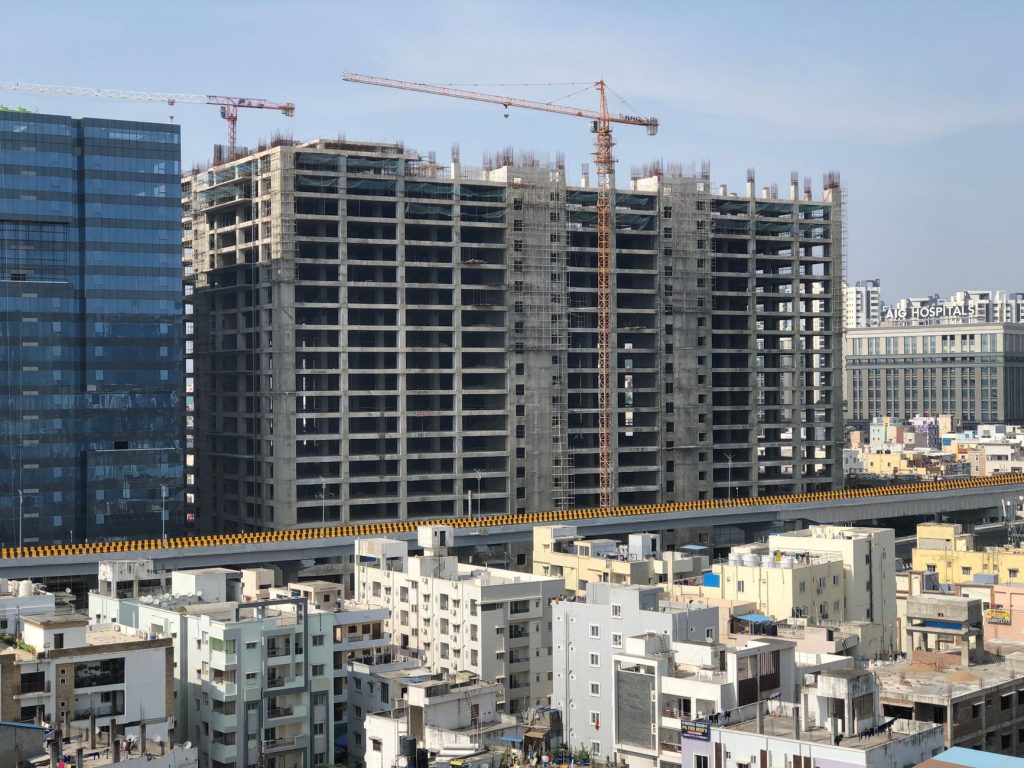
Telangana projects stuck in limbo highlight the ongoing challenges in infrastructure development. Despite Delhi’s push for progress, various factors hinder these initiatives from moving forward.
Overview of Telangana’s Infrastructure Challenges
Telangana, a state known for its rapid growth and development, is currently facing significant challenges with several infrastructure projects that are stuck in limbo. The delays are impacting the state’s economy and development trajectory, raising concerns among policymakers and citizens alike.
Several factors contribute to the stagnation of these projects:
- Bureaucratic Hurdles: Complex regulatory requirements have slowed down the approval processes for various initiatives.
- Funding Issues: Insufficient financial resources and red tape have hindered timely disbursements, leaving projects unfunded.
- Land Acquisition Problems: Disputes over land ownership and compensation have stalled construction efforts, particularly in urban areas.
- Political Disputes: Divergent opinions among local leaders and state officials have led to disagreements that further delay progress.
Despite the central government’s push for development, these systemic issues have left many Telangana projects stuck, calling for urgent reforms and proactive measures to streamline processes and foster collaboration among stakeholders. The need for a coordinated approach has never been more pressing, as the citizens of Telangana await the realization of promised infrastructure improvements.
Key Factors Behind Project Delays
The delays in various Telangana projects can be attributed to several key factors that have hindered progress despite the government’s efforts. These include:
- Bureaucratic Hurdles: A complex bureaucratic system often leads to delays in approvals and clearances, affecting project timelines.
- Land Acquisition Issues: Land acquisition remains a significant challenge, with disputes and compensation issues causing further setbacks.
- Funding Constraints: Insufficient funding and budget allocations can stall projects, making it difficult for developers to proceed as planned.
- Environmental Concerns: Environmental clearances can take considerable time, as projects undergo rigorous assessments to ensure compliance with regulations.
- Political Interference: Frequent changes in political leadership and policy direction can create uncertainty, leading to delays in project initiation and execution.
These factors collectively contribute to the situation where many Telangana projects remain stuck, frustrating stakeholders and residents alike. Addressing these issues is crucial for the timely completion of infrastructure initiatives vital for the state’s growth and development.
Government Initiatives for Improvement
The Telangana government has recognized the pressing issue of projects stuck in various stages of development and has initiated a series of measures aimed at expediting progress. These initiatives are designed to tackle the bottlenecks that have contributed to the delays in infrastructure development across the state.
One of the primary steps taken by the government is the establishment of a dedicated task force. This task force is responsible for identifying and resolving the challenges that hinder project completion. By streamlining bureaucratic processes, the government aims to reduce red tape and accelerate decision-making.
Additionally, the government has implemented regular review meetings involving stakeholders, including project managers and local authorities. These meetings serve as a platform for discussing project statuses, addressing concerns, and fostering collaboration among various departments.
Moreover, financial support has been made available to ensure that critical projects receive timely funding. This includes the allocation of funds for infrastructure projects that have been pending for too long. The government has also encouraged public-private partnerships to incentivize investment and innovation.
Through these initiatives, the Telangana government is making concerted efforts to unstick projects that have faced delays, ultimately aiming to enhance the state’s infrastructure and economic growth.
Impact on Local Communities
The ongoing delays in Telangana projects have significant repercussions for local communities, affecting their livelihoods and overall development. Many residents and businesses depend on these projects for improved infrastructure, which is crucial for economic growth.
As projects remain stuck, the following impacts are increasingly evident:
- Economic Stagnation: Local economies suffer as construction jobs and associated opportunities are put on hold. Small businesses that rely on project-related activities face uncertainty, leading to reduced revenue and potential closures.
- Access to Services: Delayed projects often mean that essential services such as transportation, healthcare, and education are inadequately addressed. Communities are left without necessary infrastructure to support their needs.
- Increased Frustration: Residents express growing frustration as promises of development remain unfulfilled. This discontent can lead to protests and a lack of trust in government efforts.
- Migration Issues: Due to the lack of job opportunities, some individuals may feel compelled to migrate to other regions in search of better prospects, further depleting the local workforce.
To address the issue of Telangana projects stuck in limbo, it is essential for stakeholders to prioritize the timely completion of these initiatives, which are critical for the well-being of the local population.
Comparative Analysis with Other States
In examining the reasons behind the Telangana projects stuck in limbo, a comparative analysis with other states reveals significant insights. While delays in infrastructure projects are common across India, the extent and nature of these delays vary widely.
Several neighboring states have successfully navigated similar challenges, showcasing effective strategies that Telangana might consider. For instance, Andhra Pradesh has implemented a streamlined approval process that significantly reduces bureaucratic delays. This approach not only expedites project initiation but also fosters a more transparent environment for investors.
In contrast, Maharashtra has focused on robust stakeholder engagement, ensuring that local communities are involved in the planning stages. This has led to fewer disruptions and stronger public support for infrastructure initiatives.
Additionally, Gujarat has leveraged technology to monitor project progress, utilizing real-time data to identify bottlenecks early on. This proactive measure allows for swift interventions, keeping projects on track.
By contrasting these successful models with the current situation in Telangana, it becomes clear that adopting similar practices could alleviate the numerous challenges faced by the state. The need for a strategic overhaul is evident if Telangana aims to overcome its infrastructure hurdles effectively.
Future Prospects for Telangana Projects
The future of various Telangana projects stuck in limbo presents a complex picture, as stakeholders seek solutions to unlock progress. Various initiatives are underway to address the systemic issues identified in earlier analyses, with a concerted effort to enhance project management and execution.
In light of recent challenges, several strategies have been proposed:
- Increased Funding: Advocates suggest that more adequate financial resources could expedite stalled projects, ensuring that budget constraints do not hinder progress.
- Policy Revisions: A review of existing policies may be necessary to streamline approval processes and reduce bureaucratic delays.
- Public-Private Partnerships: Encouraging collaboration between government and private sectors could foster innovation and more efficient project delivery.
- Community Engagement: Involving local communities in the planning and execution stages can enhance transparency and garner public support.
Moreover, there is a growing recognition that leveraging technology can play a significant role in overcoming challenges. Implementation of project management software and real-time monitoring tools could provide insights and facilitate timely interventions.
As Telangana seeks to navigate these hurdles, the focus remains on transforming potential into reality, ensuring that projects do not remain stuck indefinitely.
Public Opinion on Infrastructure Development
Public opinion regarding the stalled projects in Telangana reveals a growing frustration among residents and stakeholders. Many citizens believe that timely infrastructure development is crucial for the state’s economic growth and overall quality of life.
A recent survey indicated that:
- Over 70% of respondents expressed disappointment with the pace of infrastructure projects.
- 65% feel that delays negatively impact local businesses and employment opportunities.
- 80% believe that the government should prioritize transparency and communication regarding project timelines.
Concerns about Telangana projects stuck are not limited to economic aspects; many residents also cite environmental and social implications. The extended delays in projects such as road expansions and public transport systems have led to increased traffic congestion and safety hazards in urban areas.
Moreover, many locals have begun to advocate for greater community involvement in the planning and execution of these projects. They argue that incorporating public feedback could lead to more effective solutions and quicker resolutions to ongoing delays.
Overall, the sentiment among the populace underscores the urgent need for decisive action from policymakers to ensure that infrastructure development keeps pace with the state’s aspirations.
Conclusion: Moving Forward
In conclusion, the ongoing issue of Telangana projects stuck in limbo highlights a complex interplay of factors that requires urgent attention. The state government has made efforts to address infrastructure challenges, yet the progress remains hindered by bureaucratic inefficiencies and lack of coordination among various departments.
The consequences of these delays are far-reaching, affecting not only economic growth but also the quality of life for residents. Local communities are left waiting for essential services and infrastructure improvements, which could significantly enhance their daily lives. The disparity in project execution compared to other states emphasizes the need for a more streamlined approach to project management.
To overcome the stagnation, stakeholders must engage in collaborative discussions aimed at identifying bottlenecks and implementing efficient solutions. This can include leveraging technology for better project tracking and accountability, as well as fostering partnerships with the private sector to expedite development.
Ultimately, the future of Telangana’s infrastructure projects hinges on the collective willingness to address these challenges head-on. By prioritizing transparency and accountability, the state can pave the way for successful project completion, ensuring that Telangana emerges as a model of effective governance and development.
Moving forward, it is crucial that all parties involved remain committed to transforming the current narrative around Telangana projects stuck into one of success and innovation.
Many stakeholders are concerned about the increasing number of Telangana projects stuck due to bureaucratic hurdles and funding issues. Addressing these challenges is crucial to ensure that Telangana projects stuck can move forward and benefit the community.
Photo by Henry V on Pexels
Sources
Related reading
Is Nokia Asha 202 the Best Affordable Smartphone in India? · Yamuna Expressway apartments: Proven Success in Real Estate · Rising Rents in Southern California: The Real Impact on You