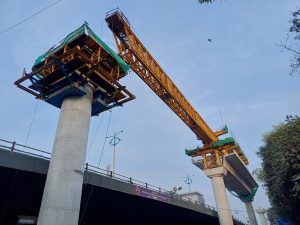
The Tihi-Dhar rail project has recently completed a safety inspection, ensuring its readiness for public use. This crucial step is part of the larger Indore-Dahod rail project.
Overview of the Tihi-Dhar Rail Project
The Tihi-Dhar rail project has garnered significant attention due to its strategic importance in enhancing connectivity between Indore and Dahod. This project, covering a distance of 44 kilometers, is part of a broader initiative aimed at improving regional transport infrastructure.
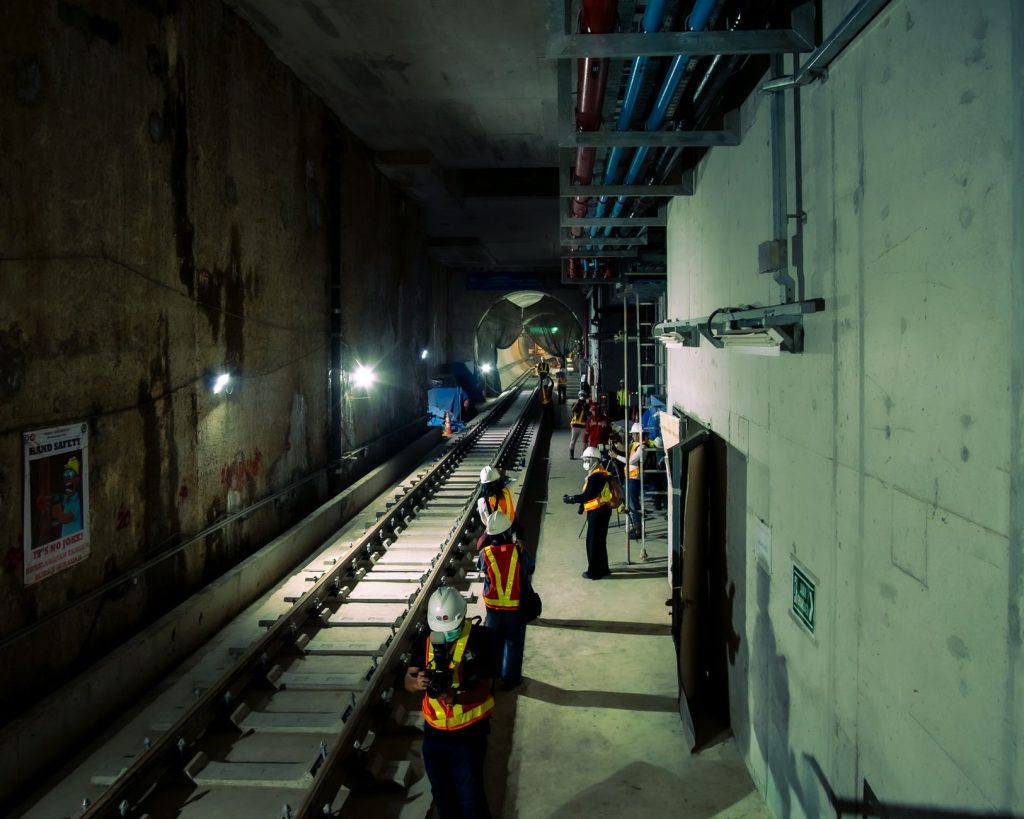
Recently, the Central Railway Safety (CRS) team completed a comprehensive safety inspection of this section. The assessment focused on various critical components, ensuring that the rail line meets established safety standards for passenger travel.
Key features of the Tihi-Dhar rail project include:
- Enhanced Connectivity: The project is expected to reduce travel time between major cities, facilitating smoother trade and commuter movement.
- Safety Measures: Extensive safety protocols have been implemented to minimize risks associated with rail travel.
- Environmental Considerations: The project takes into account ecological impacts and aims to minimize disruptions to local wildlife.
As travelers prepare for the new rail services, the completion of the safety inspection serves as an assurance of the Tihi-Dhar rail project’s commitment to maintaining high safety standards. With ongoing monitoring and regular assessments, the project aims to provide a reliable and safe travel experience for all passengers.
Importance of Safety Inspections
The significance of safety inspections in rail projects cannot be overstated, particularly for initiatives like the Tihi-Dhar rail project. These inspections are crucial in ensuring that every aspect of the rail infrastructure meets the necessary safety standards and regulations.
Recently, the Central Railway Safety (CRS) team completed a thorough safety inspection of the 44 km Tihi-Dhar section of the Indore-Dahod rail project. This inspection process is designed to identify potential hazards and assess the overall integrity of the rail systems in place.
Key components of safety inspections include:
- Track Condition: Inspecting the alignment, stability, and overall condition of the tracks to prevent accidents.
- Signal Systems: Evaluating the functionality of signal systems to ensure they operate correctly and effectively manage train movements.
- Bridges and Tunnels: Assessing the structural integrity of bridges and tunnels, which are critical for safe passage through challenging terrains.
- Emergency Protocols: Reviewing emergency response plans to guarantee preparedness for any unforeseen incidents.
These comprehensive safety measures are vital in building traveler confidence in the Tihi-Dhar rail project, assuring them that their safety is the top priority.
Timeline for Project Completion
The Tihi-Dhar rail project has been a focal point of discussion regarding its safety and efficiency for travelers. With the recent completion of safety inspections by the Central Railway Safety (CRS) over the 44 km Tihi-Dhar section of the Indore-Dahod rail project, stakeholders are keen to understand the timeline for the project’s completion.
Initially, the project was slated for completion in early 2023. However, various factors have influenced this timeline, including regulatory approvals and unforeseen construction delays. As of now, the revised schedule indicates a targeted completion date in mid-2024.
Key milestones in the timeline include:
- January 2022: Groundbreaking and initial construction activities commenced.
- June 2022: Completion of major earthwork and bridge construction.
- December 2022: Start of track laying and installation of signaling systems.
- September 2023: Completion of safety inspections for the Tihi-Dhar section.
- Mid-2024: Expected operational commencement for travelers.
As the Tihi-Dhar rail project moves closer to its operational phase, ongoing evaluations and safety checks will continue to ensure that the rail line is both safe and proven for all future travelers.
Impact on Local Communities
The Tihi-Dhar rail project is poised to have a significant impact on local communities along its route. As the rail line connects various towns and regions, it promises to enhance accessibility and economic opportunities for residents.
One of the primary benefits of the Tihi-Dhar rail project is the potential for increased trade and commerce. Local businesses may experience growth as transportation of goods becomes more efficient. Furthermore, residents will have better access to markets, schools, and healthcare facilities, which can improve overall quality of life.
However, the project also raises concerns among community members. Some residents fear that the increased traffic could lead to safety issues, noise pollution, and environmental degradation. To address these concerns, it is crucial for project stakeholders to engage with local communities and incorporate their feedback into planning and operations.
Community leaders emphasize the importance of transparency and ongoing communication throughout the project’s lifespan. Public forums and informational sessions can help keep residents informed about safety measures and economic benefits associated with the Tihi-Dhar rail project.
Ultimately, balancing the advantages of improved transportation with the need to preserve community well-being will be essential for ensuring that the Tihi-Dhar rail project serves as a positive force for local residents.
Future of Rail Infrastructure in India
The future of rail infrastructure in India looks promising, especially with the advancements brought about by initiatives like the Tihi-Dhar rail project. As the country strives to enhance its connectivity and efficiency, projects such as this one play a crucial role in modernizing the transportation landscape.
With the completion of extensive safety inspections by the CRS, travelers can be assured of the safety and reliability of the Tihi-Dhar rail project. This project not only aims to facilitate smoother travel between Indore and Dahod but also seeks to promote economic growth in the region.
In light of these developments, the following key factors will shape the future of rail infrastructure in India:
- Technological Innovations: Incorporating advanced signaling systems and modern train designs will enhance safety and efficiency.
- Sustainability Efforts: Projects will increasingly focus on eco-friendly practices, reducing carbon footprints associated with railway operations.
- Public-Private Partnerships: Collaborations between the government and private sector will drive investment and innovation in rail infrastructure development.
- Expansion of Network: Continued investments in rail systems will connect rural and urban areas, promoting inclusivity and accessibility.
As India embraces these changes, the Tihi-Dhar rail project stands as a testament to the country’s commitment to building a safer and more efficient rail network for all travelers.
Government’s Role in Rail Safety
The government plays a crucial role in ensuring the safety and reliability of rail projects like the Tihi-Dhar rail project. With the recent completion of the safety inspection by the Commissioner of Railway Safety (CRS) on the 44 km section of the Indore-Dahod rail line, there are significant measures in place to uphold travel safety.
The CRS’s role includes evaluating various aspects of the rail infrastructure, from track quality to signaling systems. This thorough assessment helps in identifying potential hazards and ensuring that all safety standards are met before the commencement of operations.
The government not only mandates these inspections but also invests in advanced technologies and training programs for railway personnel. This commitment to enhancing safety protocols reflects a broader initiative to modernize India’s rail infrastructure.
The following points highlight the government’s responsibilities in maintaining rail safety:
- Regulatory Oversight: Implementing and enforcing safety regulations for rail projects.
- Funding and Resources: Allocating budget for safety upgrades and inspections.
- Public Engagement: Involving communities in discussions about rail safety and infrastructure developments.
- Continuous Monitoring: Regular assessments of rail safety measures post-project completion.
As the Tihi-Dhar rail project progresses, ongoing government involvement will be essential in fostering a safe travel environment for all passengers.
Photo by ds rexy on Pexels
Where this came from
Related reading
Disney cruise liner: Is it the best new travel option? · Are NH projects in UP Worth Rs 4,000 Cr? Proven Benefits! · Is Lemon Tree Hotels Pavagadh the Best New Resort?